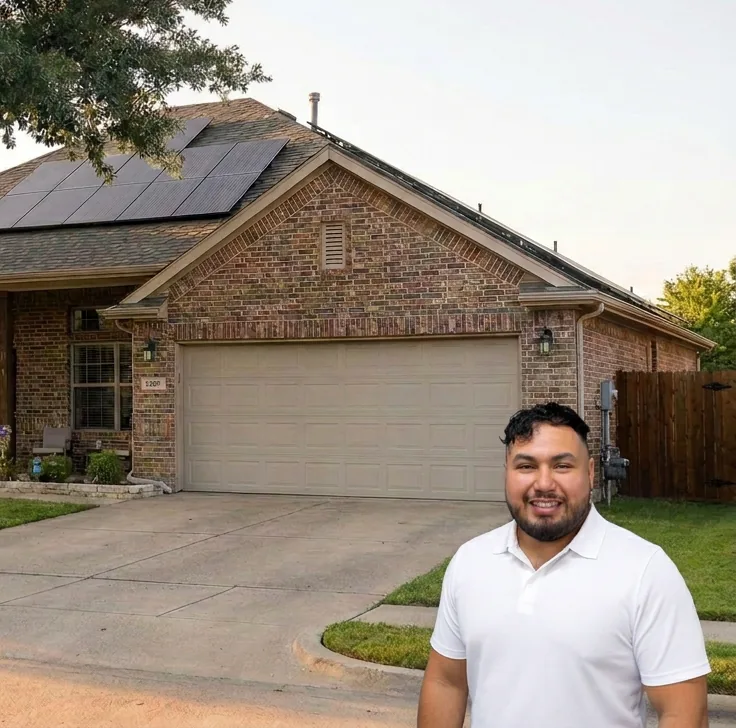
A Texas home at golden hour
Home / Home Insurance

Texas Home Insurance: Insured for what it costs to rebuild.

Not what you paid, not what Zillow says. Texas homeowners coverage built on the real number, by a team who will tell you the truth about this market.

56%
TX Premium Rise Since 2020
1–5%
Typical Wind/Hail Deductible
60 Days
Non-Renewal Notice Required
15 min
To a Real Quote
The Quick Answer

Texas does not legally require homeowners insurance, but your mortgage lender does. The number that matters most on the policy is your dwelling limit, which should equal rebuild cost, not market value. Flood is excluded from every standard policy and written separately through the NFIP or a private flood carrier. Wind and hail are covered on most Texas policies, but the terms matter: check whether your roof is settled at replacement cost or actual cash value. Most Texas policies carry a percentage wind/hail deductible of 1 to 5 percent of the dwelling limit. If you are non-renewed, Texas requires at least 60 days' written notice. Jaime Mendez Insurance in Texas shops every available option and quotes Texas homeowners coverage for free in about 15 minutes at (214) 295-5628.

Required by
Lenders, not Texas law
Insure to
Rebuild cost, not market value
Not covered
Flood & wind (written separately)
Free quotes
(214) 295-5628
Texas Home Insurance, The Short Version

Most Texas homes are insured to the wrong number. Or with the wrong carrier.

Ask a homeowner what their house is worth and they will tell you the market value. Ask what their dwelling limit should be and most give you the same number. Those are different figures. Your dwelling limit should equal what a builder charges to rebuild your house today, and after the construction inflation of the last few years, a limit set in 2020 and nudged up a few percent each renewal is quietly short of that number. You find out at the worst possible moment.

On the Texas there is a second number that matters just as much: your wind deductible. Most Texas policies calculate it as a percentage of the dwelling limit, and on a address the difference between carriers — in deductibles, exclusions, and price — is enormous. The whole job is getting those numbers right, then building sensible liability, deductible, and endorsement choices around them.

The other half of the job is the market itself. Texas homeowners watched premiums climb roughly 56 percent from 2020 to 2025 — the state's own rate filings show increases of 21 percent in 2023 and 19 percent in 2024 — and Texas homes carry some of the highest rates in the state. Growth finally slowed to about 4 percent in 2025, but carrier appetite along the coast still changes constantly, neighborhood by neighborhood and sometimes street by street. What was declined last year may be written this year, at a better price. That is exactly the market an Farmers Insurance® agent exists for.

That is the entire offer here. We will tell you what your home realistically costs to rebuild, what is available for it across our carriers, how roof settlement and your hail deductible actually work, what flood coverage costs alongside it, and what the auto bundle does to the price. If you own a condo rather than a house, that is a different policy and a different set of traps. Ballpark it first with the home rate estimator, then call us for the real number.

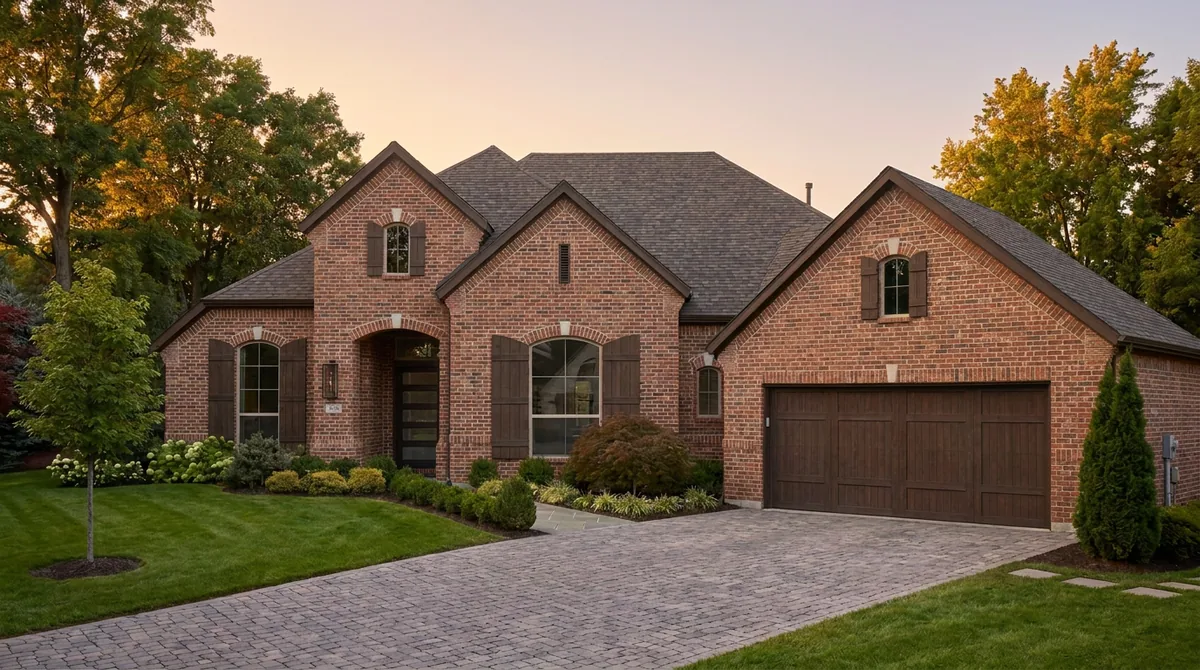
What a homeowners policy covers. And the three things it never does.

A standard HO-3 policy is six coverages in a trench coat, labeled A through F. Knowing which does what is how you avoid finding out at claim time.

Coverage A
Rebuild Cost

Dwelling

The structure itself: walls, roof, foundation, built-in appliances. This is the number everything else keys off, and the one most often set wrong. It should equal what a builder charges to rebuild today, not the market price of the house.

Coverage B
10% of A

Other Structures

Detached garage, fence, shed, pool house, the workshop out back. Usually defaults to 10 percent of your dwelling limit, which is fine until you build something. Texas garage apartments and big outbuildings routinely blow past the default.

Coverage C
50% of A

Personal Property

Everything you would take if you moved. Jewelry, art, cameras, and collections carry sub-limits, often $1,500 to $2,500, so anything meaningful should be scheduled separately for full coverage.

Coverage D
20% of A

Loss of Use

Pays your rent, hotel, and extra costs while the house is uninhabitable. In a market where a comparable Texas rental adds up fast and post-storm rebuilds take a year or more, this limit deserves an actual look.

Coverage E
$300k+

Personal Liability

Covers you when someone is injured on your property or you damage someone else's, including legal defense. Follows you off the property too. This is where an umbrella policy earns its keep for anyone with real assets.

Coverage F
$1k to $5k

Medical Payments

Pays a guest's minor medical bills regardless of fault, no lawsuit required. Small limits, small cost, and it quietly settles the kind of incident that would otherwise turn into a liability claim against you.

Texas caveat
Roof

How your roof is settled

Texas policies cover wind and hail, but the payout depends on two lines most people never read: a percentage deductible instead of a flat dollar amount, and whether an aging roof is settled at replacement cost or depreciated to actual cash value. Same storm, very different check.

Not covered
Flood

Flood

Rising water and flash flooding need a separate NFIP or private flood policy. A burst pipe is covered; water coming in from outside is not. Harvey flooded thousands of Texas homes outside mapped high-risk zones, so check your zone rather than assume.

Not covered
Upkeep

Wear, Tear & Neglect

Insurance covers sudden and accidental, not gradual. A roof at the end of its life, slow leaks, rot, termites, and deferred maintenance are yours. Worth knowing, because roof age and condition are a leading reason Texas homes get non-renewed — hail sees to that.

Is your dwelling limit still the right number?

It is the single most common gap we find, and the easiest to fix before you need it. We will recalculate rebuild cost with you in about 15 minutes.

Coverage Basics

The four decisions that actually shape your policy.

Past the six coverages, a handful of choices determine whether your policy holds up. These are the ones worth understanding.

1. Rebuild cost, and the cushion above it

Rebuild cost is what a contractor charges today to put your house back: labor, materials, permits, debris removal, and the premium you pay for building one house rather than a subdivision. It has nothing to do with your purchase price or your mortgage balance.

Even a well-set limit can fall short after a major hail event, when demand surge sends Texas construction prices up all at once. That is what extended replacement cost is for: it adds a cushion above your dwelling limit, commonly 25 to 50 percent, for exactly this scenario. Pair it with building code upgrade coverage, which pays the difference when current code requires more than what your house was built to. On an older Texas or Plano home, code upgrades alone can be a serious number.

2. Replacement cost versus actual cash value

Replacement cost pays to replace what you lost with new equivalents. Actual cash value pays depreciated value. For belongings, the upgrade to replacement cost is inexpensive and worth it for nearly everyone.

Watch your roof specifically. Texas carriers have moved aggressively to actual cash value roof settlement and separate roof schedules, because hail is the state's most frequent claim. A fifteen-year-old roof pays out like a fifteen-year-old roof while the new one is billed at today's prices, and that difference can run tens of thousands. It is one of the first lines we read on a policy you already have.

3. Your deductible, including the separate one you may not know about

The flat deductible is your main pricing lever, and the right one is the largest number you could write a check for tomorrow without wincing. Moving from $1,000 to $2,500 usually pays for itself over a few claim-free years.

The one to actually read for: nearly every Texas policy carries a separate percentage deductible for wind and hail, calculated on your dwelling limit rather than as a flat dollar amount. On a $400,000 dwelling limit, a 2 percent wind deductible is $8,000, and it applies precisely when you can least absorb it — the morning after a major storm. You should know your number before storm season, not after.

4. Liability, and why the umbrella is usually the best value on the page

Your homeowners liability limit protects your assets when someone is hurt on your property or you are found responsible for damage elsewhere. Most policies default to $300,000, which was a reasonable number in a different decade.

An umbrella policy stacks $1 million or more on top of both your home and auto liability, and for most households it costs a few hundred dollars a year. Measured in dollars of protection per dollar of premium, nothing else on the page comes close. If you own a home on the Texas, you have assets worth defending.

Send us your declarations page. We will read it with you.

Roof settlement, wind deductible, dwelling limit, liability. We will flag what is exposed and what is fine, and quote the fix. No pressure either way.

The Texas Hail Market, Honestly

Roof deductibles, hail claims, and the ACV trap.

Texas leads the country in hail damage. Here is the version without the panic.

Your wind and hail deductible is probably not what you think

Most Texas homeowners policies no longer carry a flat dollar deductible for wind and hail. They carry a percentage deductible — commonly 1 to 2 percent of your dwelling limit, sometimes higher. On a home insured for $400,000, a 2 percent wind and hail deductible means $8,000 out of pocket before the policy pays anything. Homeowners routinely discover that number for the first time while standing in the yard looking at a shredded roof.

It is worth knowing your figure now, in writing, while you still have the option to change it. A lower percentage costs more in premium; the right answer depends on what you could actually absorb in a bad month, not on what looked cheapest at renewal.

Actual cash value versus replacement cost: the difference that ends arguments

The other number that decides your hail claim is how the roof is settled. Replacement cost value pays what a new roof costs today. Actual cash value pays that amount minus depreciation for every year the roof has aged, which on a fifteen-year-old composition roof can mean less than half the check.

Many Texas carriers have quietly moved older roofs to actual cash value settlement, or added a roof schedule that steps coverage down by age. This is one of the most important lines in a Texas homeowners policy and it is almost never explained at the time of sale. We read it out loud before you buy and tell you plainly which one you have.

If you have been non-renewed after a storm

Non-renewal is not cancellation, and it is usually not about you. When a carrier decides to shrink its exposure in a hail-heavy county, the letters go out on a map rather than a merit list. Texas requires written notice at least 60 days before your policy expires, which is enough time to arrange a replacement properly if you start immediately.

Two protections are worth knowing before you accept the letter as final. Texas law generally bars a carrier from non-renewing you over claims unless you filed three or more qualifying claims in three years — and weather-related claims cannot be counted against you for that purpose, nor can appliance-related water claims once the underlying issue is repaired. If the letter cites claims history, read it closely and call us with it in hand.

Then move. Sixty days is workable if you start on day one and it evaporates if you wait a month.

Before you file: the claim that costs more than it pays

Not every hail claim is worth filing. If the damage estimate lands near or below your percentage deductible, filing puts a claim on your record for a check you will never see. Have the roof inspected, compare the estimate to your actual deductible, then decide. We will walk through that math with you honestly, including the times the answer is do not file.

Non-renewed after a hail storm?

It happens on a map, not a merit list — and you have 60 days. Let us re-check your address and your roof settlement terms, no charge and no pitch.

Seven honest ways to lower your premium. Without hollowing out the policy.

In Texas the two biggest levers are bundling with auto and the roof over your head, because wind and hail drive this market. The rest stack on top.

1

Bundle home with auto

The most reliable discount available to a Texas homeowner, and it usually moves both premiums. It also puts your whole plan with one team who can see the full picture instead of two who each see half. Start with an auto quote and we will price the pair.

2

Upgrade the roof, and claim every discount it earns

Texas carriers price the roof harder than any other feature of the house. Class 4 impact-resistant shingles earn real discounts with most carriers, a newer roof changes both your rate and which carriers will write you, and documenting roof age and material keeps you eligible for the best programs. This is one of the few places where spending money reliably lowers your rate — and after the next hailstorm, you will be glad twice.

3

Raise the deductible your savings can actually cover

Moving from $1,000 to $2,500 typically trims the premium enough to pay for itself over a few claim-free years. The right deductible is the biggest number you could write a check for tomorrow without losing sleep.

4

Stop insuring the land

If your dwelling limit was set from market value, you are paying for coverage that can never pay out, since nobody rebuilds dirt. Recalculating to true rebuild cost sometimes lowers the premium outright. Sometimes it raises it, because the limit was short. Either way you find out now instead of at a claim.

5

Think hard before filing a small claim

A $3,000 water claim on a $2,500 deductible nets you $500 and can follow the property for years, both in your rate and in whether carriers will write you at all. Texas law keeps weather claims from being used to non-renew you, but non-weather claims history is currency in this market. Small losses are often cheaper paid out of pocket, and we will tell you honestly when that is the case.

6

Stack the boring discounts

Monitored alarm, water leak detection, updated roof, updated electrical and plumbing, new home, claims-free, paperless, paid in full. Individually small, collectively real, and they are exactly the kind of thing that falls off a policy over the years without anyone noticing.

7

Re-shop annually, because this market moves

Carrier appetite on the Texas coast shifts quarter to quarter, rebuild costs keep moving, and your home changes. As your local agent, every renewal gets a fresh look at your coverage and discounts. What does not work: shaving the dwelling limit to hit a target premium. That is not a saving, it is a deferred loss.

Every Texas home is a different problem. We quote them all.

A new roof, a garage apartment, a 1970s slab, a home you rent out. Each changes how the policy should be built.

Under contract, or renewing soon?

Tell us the address and we will tell you what is available, what it costs, and what would make it cheaper. Straight answer, no obligation.

Homeowners insurance in Richardson. And every ZIP in Texas.

Home insurance is priced ZIP by ZIP in Texas, and hail history, roof age, and county can change the answer entirely. We write across the state, not just one metro.

Texas home insurance questions. Straight answers.

Is homeowners insurance required in Texas?

Texas law does not require homeowners insurance. Your mortgage lender does, and they will require it in writing, with the lender named on the policy.

If you let coverage lapse, the lender can buy force-placed insurance and bill you for it. That coverage is usually far more expensive and protects the lender's interest, not yours. Owning your home free and clear is the only situation where going without is legal, and it is still a bet against your single largest asset.

What does homeowners insurance actually cover?

A standard HO-3 policy covers six things: the dwelling (structure), other structures (fence, detached garage, workshop), personal property (belongings), loss of use (somewhere to live during repairs), personal liability (if someone is hurt or you damage someone else's property), and medical payments to guests.

Covered perils include fire, smoke, theft, vandalism, most sudden water damage, falling objects, and, on most Texas policies, wind and hail. The big exclusions are flood, which is always written separately, and anything that counts as maintenance.

How much is homeowners insurance in Texas?

Statewide averages run roughly $3,900 to $4,000 a year, which puts Texas among the five most expensive states and about two-thirds above the national average. Homes in hail-prone counties often price higher, sometimes past $6,000, because wind and hail exposure drives this market.

Premiums statewide climbed roughly 56 percent from 2020 to 2025 — the state's own filings show 21 percent in 2023 and 19 percent in 2024 alone — before growth slowed to about 4 percent in 2025. Averages are close to useless for budgeting your specific home, which is why we quote your actual address across every available option rather than quoting a table.

How much dwelling coverage do I need?

Your dwelling limit should equal the cost to rebuild your home, not what you paid, not what Zillow says, and not what you owe. Rebuild cost is what a contractor charges today for labor, materials, permits, and debris removal.

The dangerous mistake is under-insuring. Construction costs rose sharply after 2020, and a dwelling limit set years ago and nudged along by small annual increases is often well short of today's rebuild cost. We recalculate rebuild cost with you rather than letting the number drift.

Does homeowners insurance cover storm damage in Texas?

Partially, and the details matter. Wind damage is covered on most standard Texas policies — subject to your percentage wind deductible. Check two terms on your declarations page: the percentage wind and hail deductible, and whether the roof is settled at replacement cost or actual cash value.

Flash flooding and rising water are never covered by any homeowners policy. That is flood, and flood insurance is always a separate policy. After a major storm, the wind policy and the flood policy each pay for their own damage, which is exactly why the whole stack needs to be built together.

Does homeowners insurance cover flood?

No. Rising water and flash flooding are excluded from every standard homeowners policy. Flood is written separately through the National Flood Insurance Program or a private flood carrier, and we quote both side by side.

A burst pipe or an overflowing water heater is a different thing entirely, and that sudden, accidental water damage is covered. The distinction is where the water came from: inside your plumbing is covered, outside and rising is not. Harvey flooded thousands of Texas homes outside mapped high-risk zones, so check your zone rather than assume.

Is my roof covered for replacement cost or actual cash value?

It depends on the policy, and it is the single most important thing to know before a hail storm rather than after one. Replacement cost pays what a new roof costs today. Actual cash value subtracts depreciation for every year of the roof age, which on an older composition roof can cut the check by half or more.

Many Texas carriers now move roofs past a certain age onto actual cash value automatically, or apply a roof schedule that steps the coverage down year by year. Read that line before you buy. If you are not sure which one you have, send us your declarations page and we will tell you in plain English.

My insurer non-renewed me. What now?

First, do not panic, and do not confuse it with cancellation. Non-renewal happens at the end of your term, and Texas requires written notice at least 60 days before your policy expires.

Texas law also limits claims-based non-renewal: in general a carrier may only non-renew you for claims if you filed three or more qualifying claims in three years — and weather-related claims cannot be counted against you for that purpose, nor can appliance-related water claims once the underlying issue is repaired. If your letter cites claims, read it closely.

Then use the window. Sixty days is enough time if you start immediately. Call us the day the letter arrives and we will shop the replacement across every carrier we represent at once.

What's the difference between replacement cost and actual cash value?

Replacement cost pays to replace what you lost with new equivalent items. Actual cash value pays the depreciated value, so a ten-year-old roof pays out like a ten-year-old roof, not a new one.

For belongings, replacement cost is worth the modest premium difference for nearly everyone. Watch the roof specifically: many Texas policies have moved to actual cash value roof settlement or separate roof payment schedules, because hail is the state's most frequent claim. The gap at claim time can run tens of thousands. It is one of the first things we check on a policy you already have.

What is a wind or hail percentage deductible?

Most Texas policies carry a separate wind and hail deductible calculated as a percentage of your dwelling limit, typically 1 to 5 percent, instead of a flat dollar amount. On a $400,000 dwelling limit, a 2 percent wind deductible means $8,000 out of pocket before coverage responds.

Texas named-storm deductibles can run higher still. Know your number before storm season and budget for it — and when we quote, we will show you what moving that percentage does to the premium in both directions.

Does my credit score affect my home insurance rate in Texas?

Yes. Texas allows insurers to use credit-based insurance scores in pricing homeowners coverage, and the effect can be significant.

It is one more reason shopping matters: every carrier weighs credit, claims history, roof age, and location differently, and the cheapest carrier for one profile is rarely the cheapest for another. That comparison is exactly what an Farmers Insurance® agent does at every renewal.

How can I lower my Texas home insurance premium?

The reliable levers are bundling home with auto, raising your deductible if your savings can absorb it, and the roof: Class 4 impact-resistant shingles earn real discounts with most Texas carriers, and a newer roof changes which carriers will write you at all.

Then let us re-shop the whole policy across our carriers at renewal — appetite and pricing in Texas move constantly. What to avoid is under-insuring the dwelling to chase a lower premium. If the limit will not rebuild the house, the savings were never real.

Still have questions? Call (214) 295-5628. We will give you a straight answer.

Find out what your home really costs to insure.
Free, fast, and in plain English.

Tell us the address and what is in it. We will get the rebuild number right, tell you what is available, and quote it in about 15 minutes.