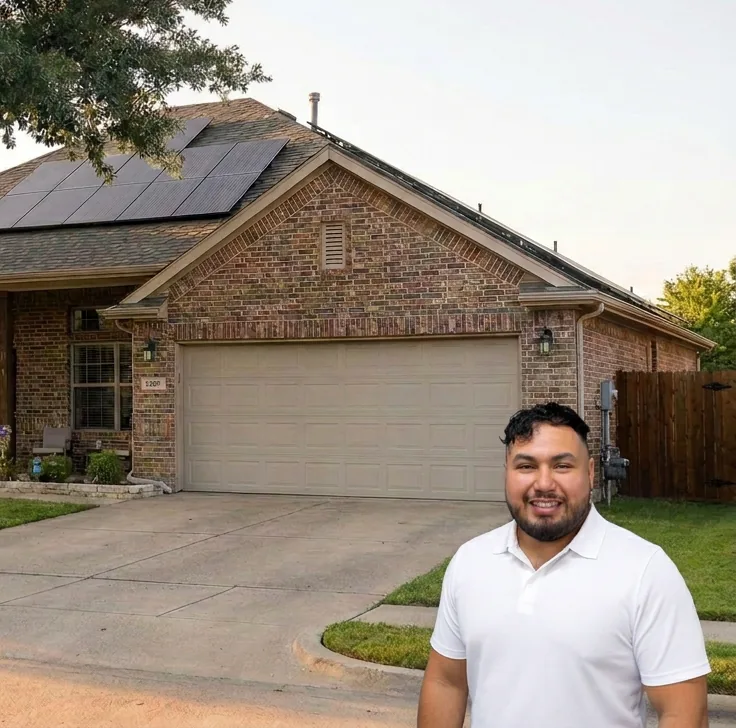
A small business in Texas
Home / Business Insurance

Texas Business Insurance: The only state where comp is optional. The option has teeth.

Texas lets most private employers skip workers' comp. What it doesn't mention: skip it, and an injured employee can sue you with your best defenses gone. Let's decide on purpose.

Only
State Where Comp Is Optional
3
Legal Defenses You Lose Bare
~1 in 4
TX Employers Go Without
15 min
To a Real Quote
The Quick Answer

Texas is the only state where workers' compensation is optional for most private employers. The catch: a non-subscriber who gets sued by an injured employee loses the three classic defenses — contributory negligence, assumption of risk, and fellow-employee negligence — and faces uncapped civil damages. Comp is still required on government contracts, and around Texas most plants and general contractors require it by contract before you get on site. Opting out also means annual notice to the state (DWC Form-005) and posted bilingual notices. Beyond comp, most small businesses run on a Business Owners Policy bundling general liability, commercial property, and business income. Two gaps catch owners constantly: personal auto policies exclude business use, and homeowners policies largely exclude a home-based business. Some commercial property needs wind and flood as separate layers. Jaime Mendez Insurance in Texas quotes Texas commercial coverage free at (214) 295-5628.

Workers' comp
Optional in TX — with real teeth
Going bare
3 defenses lost, damages uncapped
Most small firms
BOP + a comp decision made on purpose
Free quotes
(214) 295-5628
Texas Business Insurance, The Short Version

Most business insurance is judgment. The comp decision is the judgment call of the decade.

Start here, because everything else is a distant second. Texas is the only state in the country where workers' compensation is optional for most private employers. Roughly a quarter of Texas employers, by some counts, run as non-subscribers. It sounds like freedom, and it is — the same way removing the guardrails is freedom.

Here is what the brochure version leaves out. Carry comp, and an injured employee's claim runs through the comp system: defined benefits, no lawsuit, done. Go without, and that employee can sue you directly in civil court — and Texas law strips you of the three defenses that would normally protect an employer: contributory negligence, assumption of risk, and fellow-employee negligence. Their lawyer needs to show your negligence contributed to the injury, and the damages are not capped the way comp benefits are. Pain and suffering is on the table. One bad morning on a ladder can outrun a decade of saved premiums.

And "optional" comes with an asterisk anyway. Comp is required on government work. Around Texas, the refineries, chemical plants, and general contractors mostly require it by contract — no certificate, no badge, no site access. Even the opt-out itself is a formal status: annual notice to the state, written notice to employees, bilingual postings on the wall.

Everything after that is judgment, and judgment is what you are actually hiring us for. Most small Texas businesses run on a Business Owners Policy, packaging general liability, property, and business income, plus the comp decision made deliberately. Then it depends on what you do. Give advice for money and you need professional liability. Drive for work and you need commercial auto, because your personal policy excludes business use. Hold customer data and cyber stops being a luxury. Own property in a flood zone and wind and flood become their own layers. What we will not do is sell you the whole catalog. Tell us what your business actually does, and we will tell you what it actually needs. Nothing on this page is legal advice, and for the employment-law side, get an employment attorney. We handle the insurance.

What a business actually needs. In the order it matters.

One of these is the biggest decision on the page. The rest depend on what you do, who you employ, and what you would lose on your worst day.

The big decision
Optional*

Workers' Compensation

Optional in Texas — the only state where that's true. Carry it, and injuries run through the comp system and you cannot be sued over them. Skip it, and you lose that shield plus your three best legal defenses. The asterisk: government contracts and most plant and GC agreements require it anyway.

Start here
BOP

Business Owners Policy

Bundles general liability, commercial property, and business income into one package built for small and mid-sized firms. Usually cheaper than assembling the pieces separately, and for many businesses it plus workers' comp is the whole program.

Core
$1M / $2M

General Liability

The slip and fall, the damage you cause at a client's site, the advertising injury claim. Covers defense costs as well as the judgment. It is also what your landlord and your clients will demand a certificate for before you can sign anything.

Core
Reopen

Business Income

Property coverage rebuilds the building. This pays your rent, payroll, and lost profit while that happens. Set the restoration period to a realistic Texas timeline, because after a storm every contractor in the metro is booked at once.

If you advise
E&O

Professional Liability

General liability covers bodily injury and property damage. It does not cover being wrong. If clients pay you for expertise and a mistake could cost them money, you need this, and around here your contracts will probably require it anyway.

If you employ
EPLI

Employment Practices

Wrongful termination, discrimination, harassment, retaliation, wage and hour claims. Texas employers still answer to federal law and the EEOC, and defending even a weak claim costs real money long before anyone reaches the merits.

Not covered
Your Car

Business Use On A Personal Policy

Personal auto excludes business use. Deliveries, tools between sites, clients in the car. If the vehicle is the business's, it needs commercial auto. If staff drive their own cars for you, you need hired and non-owned coverage.

Not covered
Home Office

A Business On Your Homeowners Policy

Business property in the house carries a tiny sub-limit and business liability is generally excluded outright. A client who trips on your front step is not a covered claim. Fixed with an endorsement or a small commercial policy, cheaply.

If you hold data
Cyber

Cyber Liability

Breach notification, forensics, legal counsel, extortion, and the income you lose while locked out. Small businesses get targeted precisely because attackers assume the defenses are thinner. Texas's breach-notification rules add real deadlines and teeth.

Thinking about going without comp? Decide it on purpose.

Non-subscriber status is a real strategy for some businesses and a slow-motion disaster for others. Fifteen minutes on your actual payroll and contracts, free, no pitch.

The Big Decision

Texas workers' comp, in plain English.

This is the section worth reading properly, because Texas runs the comp question differently from all forty-nine other states, and the freedom it offers is priced in a currency most owners never examine.

The choice, and who actually has it

Most private Texas employers may legally choose whether to carry workers' compensation. Carry it and you are a subscriber; decline and you are a non-subscriber. The choice is narrower than it looks: comp is required for government contracts, and in this market the practical rule-makers are the plants and the general contractors, who write comp requirements into their agreements. If your revenue comes through a badge gate in Pasadena, Deer Park, or Baytown, the state's permission to skip comp is worth very little.

What going bare actually costs

A subscriber gets the exclusive remedy: injuries run through the comp system, benefits are defined, and the employee cannot sue. A non-subscriber loses that shield entirely, and Texas law goes further — it strips the three classic defenses an employer would otherwise raise: contributory negligence (the employee was partly careless), assumption of risk (they knew the job was dangerous), and fellow-employee negligence (a coworker caused it). The injured employee's lawyer needs to show your negligence played a part, and the jury's number is not capped by any benefits schedule. Pain and suffering, mental anguish, and in egregious cases punitive damages are all in play. That is the trade: premium savings now, unlimited downside later.

Non-subscriber, done properly

Some businesses still reasonably choose it — very low-risk operations, or firms pairing the decision with an occupational accident plan that pays medical and wage benefits for injured workers and reduces the odds a claim becomes a lawsuit. If that is your road, take it deliberately: the status requires an annual filing with the state (DWC Form-005), written notice to every employee, and posted workplace notices in English and Spanish. We will price both roads — real comp and a structured alternative — and show you the difference in dollars and in exposure.

The paperwork nobody mentions

Comp pricing runs on class codes — clerical staff and roofers are priced very differently per $100 of payroll — and misclassified payroll is the most common way Texas businesses overpay, or get an ugly surprise at audit. Certificates of insurance, additional-insured endorsements, and waiver-of-subrogation requests are daily bread in this market's contract work, and slow certificates stall invoices. We handle both routinely. On employment-law questions, talk to an employment attorney; we do the insurance.

Not sure if your class codes are right?

Workers' comp is priced on payroll and classification, and a wrong code quietly overcharges you for years. It is one of the first things we check. Free either way.

Whatever you built. We'll cover it properly.

The right program depends on what you do, not what size you are. Here is where the differences bite.

Need a certificate of insurance today?

Landlord, GC, or client waiting on one? Send us the contract language and we will turn it around fast, with the right additional insured wording rather than a guess.

Business insurance in Texas. And across Texas.

We are on Metro Drive, ten minutes from most of the businesses we insure. Tell us where you operate.

Texas business insurance questions. Straight answers.

Do I need workers' compensation insurance in Texas?

Texas is the only state where workers' comp is optional for most private employers. That is the headline, and it is misleading.

Comp is required if you work on government contracts, and in this market most refineries, chemical plants, and general contractors require it by contract before you get on site. Going without — being a non-subscriber — is legal, but it strips your best legal defenses if an employee is hurt. Optional does not mean free.

What actually happens if I skip workers' comp and someone gets hurt?

An injured employee can sue you directly in civil court, and Texas law takes away your three strongest defenses: contributory negligence, assumption of risk, and fellow-employee negligence.

The employee needs only to prove your negligence contributed to the injury, and damages are not capped the way comp benefits are — pain and suffering and, in egregious cases, punitive damages are on the table. One serious injury can outrun a decade of saved premiums.

What paperwork does a Texas non-subscriber have to file?

Opting out is a formal status, not a shrug.

Non-subscribers must file an annual notice with the Texas Department of Insurance's Division of Workers' Compensation (the DWC Form-005), give written notice to employees, and post workplace notices in English and Spanish stating that they carry no comp coverage. Skipping the paperwork adds administrative penalties on top of the lawsuit exposure.

I'm a contractor with no employees. Do I need workers' comp?

Legally, a true solo operator usually does not.

Practically, the general contractors and plant owners you work for will often require a certificate showing comp coverage before you set foot on their site, and government work requires it by statute. Many of our contractor clients carry comp not because the state makes them, but because the contracts that pay them do.

What is a BOP, and is it enough?

A Business Owners Policy bundles general liability, commercial property, and business income into one package priced for small and mid-sized firms, usually cheaper than buying the pieces separately.

For many main-street businesses, a BOP plus workers' comp is the whole program. It is not enough by itself if you give professional advice, hold sensitive data, own vehicles, or have property needing separate wind and flood layers.

Does my personal auto policy cover me driving for work?

No. Personal auto policies exclude business use: deliveries, hauling tools between sites, driving clients.

If the vehicle belongs to the business, it needs commercial auto. If employees drive their own cars on your errands, you need hired and non-owned auto coverage, because their accident on your errand can become your claim.

I run my business from home. Doesn't my homeowners policy cover it?

Mostly no. Homeowners policies carry a small sub-limit for business property and generally exclude business liability outright — a client who trips on your front step is not a covered claim.

The fix is cheap: an endorsement or a small in-home business policy. The expensive version is finding out after the claim.

A client wants a certificate of insurance naming them as additional insured. What is that?

A certificate of insurance is proof of your coverage; naming a client as additional insured extends your liability policy to protect them for work you do for them.

It is standard in construction, services, and any plant or facility work around here. We issue certificates same-day, routinely, because a stalled certificate stalls your invoice.

What is professional liability, and do I need it?

General liability covers bodily injury and property damage.

It does not cover being wrong. If clients pay you for expertise or advice — consulting, design, inspections, bookkeeping — and a mistake could cost them money, professional liability (errors and omissions) is what responds, and your contracts will often require it anyway.

Do I need cyber insurance if I'm not a tech company?

If you hold customer data, take cards, or run your operations through email and cloud software, you have cyber exposure.

Small businesses are targeted precisely because attackers assume thin defenses. Texas's data breach notification law has real requirements and deadlines, and cyber coverage pays for the forensics, notification, legal counsel, and the income you lose while locked out.

What does business income coverage actually pay?

Property coverage rebuilds the building; business income pays your rent, payroll, and lost profit while that happens.

In Texas, set the restoration period to a realistic post-storm timeline, when every contractor in the metro is booked at once. Pair it with the wind and flood layers, because a business income limit means little if the peril that closed you was never covered.

How much does business insurance cost in Texas?

It ranges too widely for one honest number: a home-based consultant's program and a busy restaurant's program are different animals.

Directionally, many small-business BOPs land in the low hundreds per month or less, workers' comp is priced per $100 of payroll by class code, and hail-exposed property pushes costs up. Because we are local, we price your actual operation across every available option and show you the options side by side.

Still have questions? Call (214) 295-5628. We will give you a straight answer.

Tell us what you built.
We'll tell you what it needs.

What you do, who works for you, what you drive. We will build the program around the business and quote it in about 15 minutes, including the parts you can skip.